Grazing the Array: What Bubney Is Learning About Dual-Use Solar
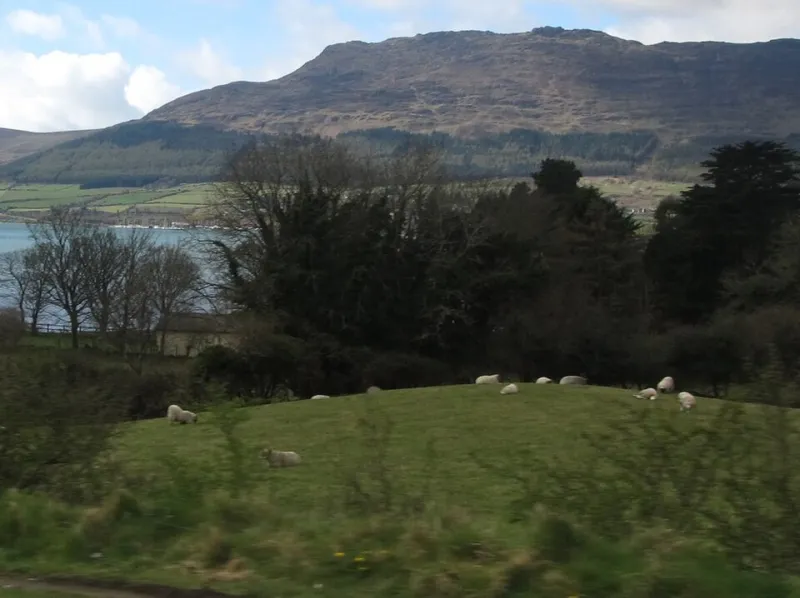
Photo: Eric Jones , CC BY-SA 2.0, via Wikimedia Commons
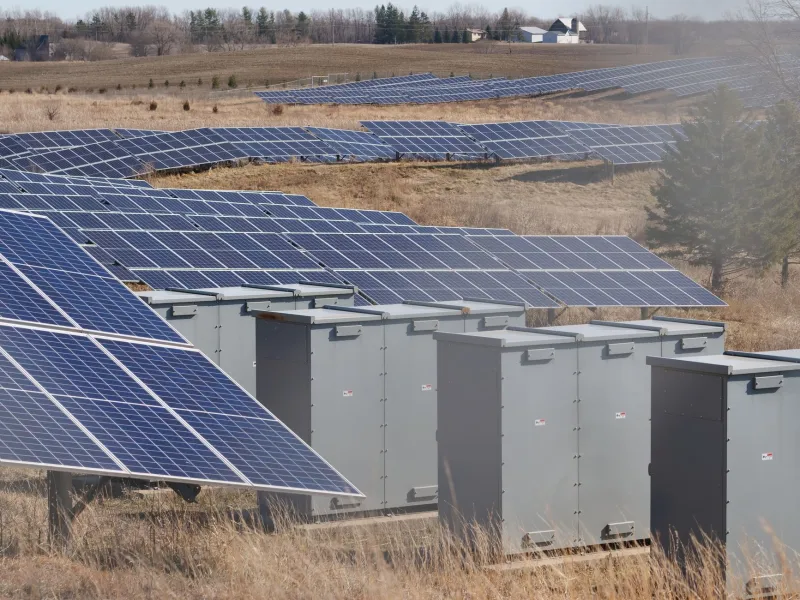
On a bright, blustery morning at Bubney, the sheep are doing what sheep do: grazing the strips between rows of panels, apparently unbothered by the glass above them. The scene is becoming less unusual in the UK. Agrivoltaics—the practice of combining solar generation with agriculture on the same land—has moved from small trial plots to commercial conversations. The appeal is obvious: two incomes from one field, and a solar farm that looks more like a farm.
The reality is more demanding. Light, water, machinery, animal welfare and economics all interact. At Bubney, we are treating agrivoltaics as an operational question, not a marketing slogan.
Shade is not automatically a loss
The first mistake is to assume that crops simply grow worse under panels. In the UK, summer heat and water stress can be as limiting as light. Partial shade can reduce peak temperatures, slow evaporation and protect leafy crops from scorching. It can also reduce yield in light-hungry crops, and it complicates the uniform management that arable farmers value.
Dr Helen Marsh, an independent agronomist who has advised on several UK dual-use trials, puts it plainly: 'The panel is a roof. You would not plant a field of wheat under a roof and expect the same yield. But you might grow a high-value horticultural crop under it, or graze livestock, if the layout and the sward are right.'
That distinction matters. Agrivoltaics is not a universal upgrade for solar farms. It is a set of site-specific options.
The sheep test
Sheep grazing is the most established form of dual use in the UK. The animals keep grass and scrub in check, reducing mowing and strimming costs. Their manure returns nutrients. The arrangement can also support local grazing businesses that need land.
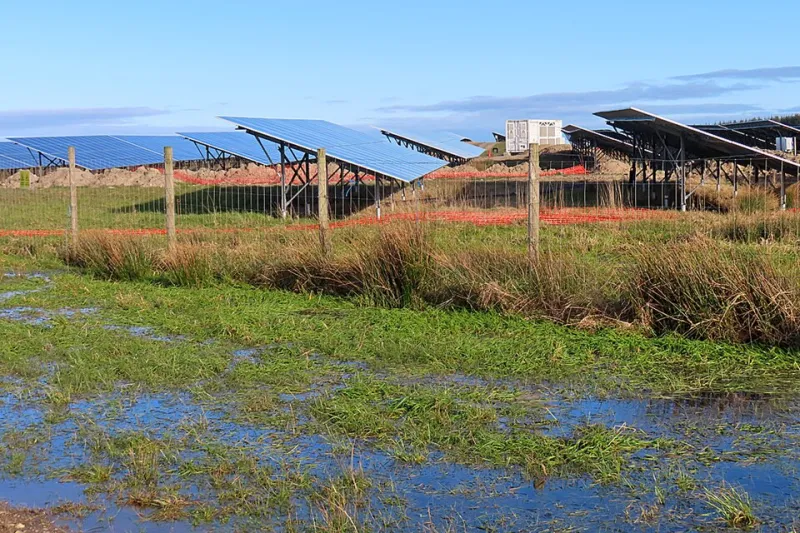
At Bubney, the practicalities are in the details. Panels need to be high enough for sheep to move safely and for the grazier to handle animals. Fencing must be stock-proof without trapping wildlife. Water troughs need to be positioned so that sheep do not camp under the arrays. Gates and access tracks must allow a trailer or a quad bike through. Grazing periods need to be managed so that the sward is neither overgrazed nor left to grow into the panel edges.
There is also a welfare dimension. Sheep need shade and shelter, and a solar array can provide both, but they also need open space and reliable forage. A veterinary plan and a clear grazing licence are essential. The savings on mowing are real, but they are not the whole story: fencing, water and management time have costs.
Crops in the shade
The crop side is more experimental. UK trials have looked at lettuce, spinach, chard, herbs and soft fruit. Leafy salads often perform well because they benefit from reduced heat stress and slower bolting. Root crops and cereals are generally less suited to the shade of a fixed-tilt array. The panel layout matters: wider rows, higher mounting and careful orientation all change the light pattern.
In this year's trial plots at Bubney, the most promising results have come from leafy greens and herbs, where marketable quality has held up even as total yield has fallen. That is an important distinction. A grower is paid for saleable produce, not for biomass. If shade reduces waste and improves consistency, the economics can look better than a simple yield comparison suggests.
The economics of two harvests
The dual-income argument is seductive, but it needs care. A solar farm already pays rent. Adding agriculture can bring grazing fees or crop income, but it also brings complexity: separate insurance, access arrangements, health and safety, and a need to coordinate farming operations with electrical maintenance.
For farmers, the question is whether hosting solar and continuing to farm is better than doing one or the other. For solar developers, the question is whether agrivoltaics improves planning acceptability and land-use efficiency enough to justify the extra design cost. The answer will vary by site, soil and local market.
What comes next
Bubney's approach is to monitor, not to overclaim. We are recording sward height, animal behaviour, soil moisture and crop quality across trial strips. We are working with agronomists and the grazier to refine the layout. The aim is a system that is genuinely agricultural, not a photo opportunity.
Agrivoltaics will not replace conventional solar farms, and it will not feed the country from under panels. But it can make better use of land that is already producing power. The second harvest is real. It is just more complicated than the first.