A Cheque Is Not a Charter: How Solar Community Funds Earn Local Trust
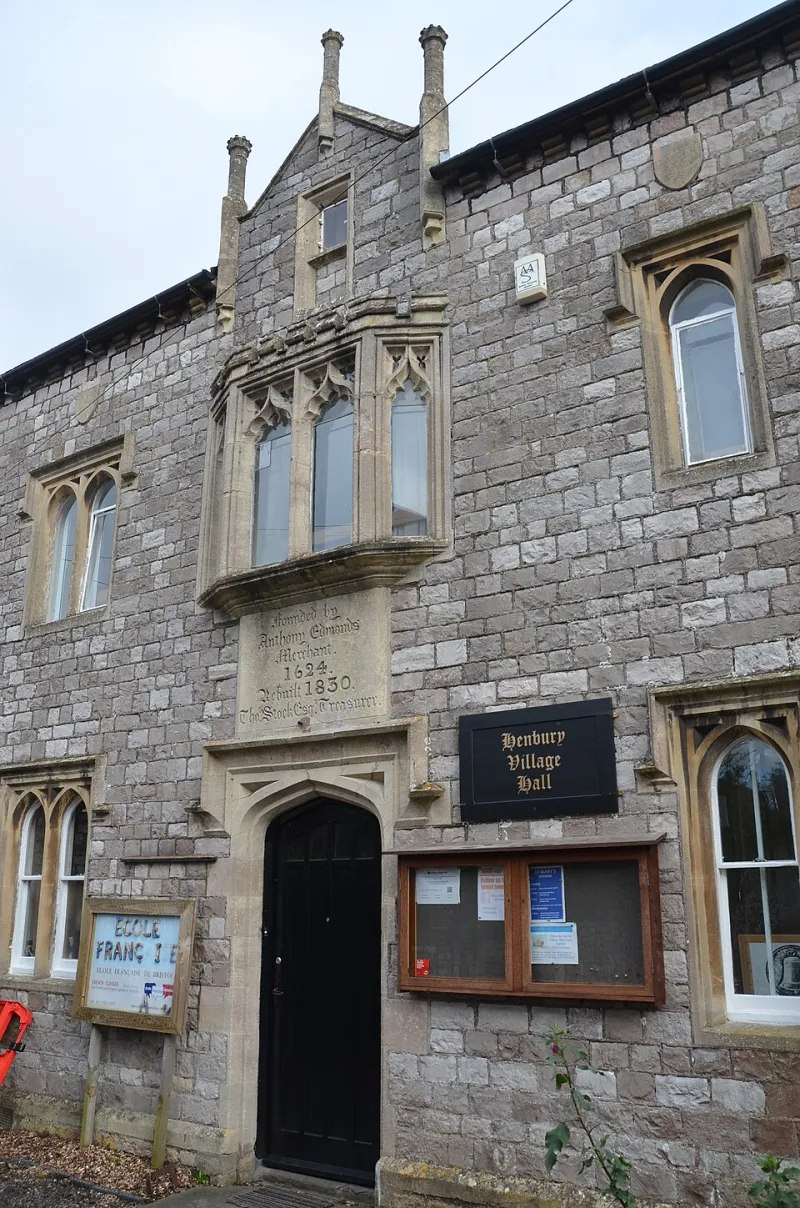
Photo: Hamburg103a, CC BY-SA 4.0, via Wikimedia Commons
A community benefit fund is often announced in the same breath as a solar farm itself. The headline figure can sound generous, and the principle is straightforward: a renewable-energy development should leave a positive legacy beyond the electricity it exports. Yet the phrase community fund can cover very different arrangements. At one end is a legally secured, independently governed payment stream with published accounts and clear criteria. At the other is a non-binding pledge that may never crystallise, or may be spent without meaningful local influence.
For parish councils, community groups and neighbours, the useful question is not simply how much is promised. It is how the money is created, who controls it, and whether residents can follow the paper trail. As councils across the UK prepare budgets and neighbourhood plans in 2026, that distinction matters more than ever.
From megawatts to money: how payments are calculated
Most UK solar community funds use one of two basic models. The first is a fixed payment per megawatt of installed capacity, often expressed as pounds per MW per year. The second is a share of revenue or profit, which rises and falls with wholesale prices, generation and operating costs. Some schemes combine the two, or add a one-off capital sum.
Consider a Bubney-style 40 MW array with a fixed commitment of £2,000 per MW per year. That would produce £80,000 annually before indexation. If the agreement includes retail price indexation, the payment should be adjusted each year according to a defined formula. A revenue-share arrangement might produce more in a strong year and less in a weak one, which is why the definition of revenue matters: is it gross generation income, net of grid costs, or something else?
A headline pledge often quotes the maximum possible figure over the project life. A well-drafted fund states the minimum, the trigger for payment, the start date, the review mechanism and what happens if the site changes hands. Without those details, a large number can be less useful than a smaller, dependable sum.
Who sits at the table?
Governance is where community funds succeed or fail. A common structure is an independent panel supported by a community foundation or grant administrator. The panel might include parish council nominees, a local ward councillor, representatives of nearby community groups and independent members with relevant skills. The solar operator may attend but should not control decisions.
That separation is important. If the developer both sets the criteria and approves the grants, residents may reasonably question whether the fund is genuinely local. A strong deed of trust or funding agreement will set out appointment processes, terms of office, conflict-of-interest rules and arrangements for removing panel members.
There is also a practical question of scale. A fund of £80,000 a year can support several modest grants, one larger strategic project, or a mix of both. Communities rarely agree on the ideal split. Transparent criteria help: for example, a small-grants stream for village halls and energy advice, plus an annual strategic round for transport, skills or habitat projects.
The difference between a pledge and a fund
A pledge is a statement of intent. A fund is an operating system. The distinction can be seen in four places.
First, legal security. Is the commitment written into a planning obligation, a unilateral undertaking, a lease or a separate deed? Second, timing. Does payment begin on commissioning, first export, planning consent or a fixed calendar date? Third, control. Who appoints the panel, and can the operator veto awards? Fourth, reporting. Are annual accounts, grant decisions and outcomes published in a form that a resident can find and understand?
A fund can still be well run without a planning obligation, but the absence of a binding mechanism increases risk. Conversely, a legally secured fund with poor administration can still feel distant. Local trust depends on both structure and behaviour.
What transparent governance looks like
Transparency is not only a website page. It is a routine. A credible fund publishes its governing document, annual accounts, panel minutes, eligibility criteria, application deadlines and a list of awards. It explains why applications were declined, within the bounds of confidentiality. It separates administration costs from grant money and reports them clearly. It provides a route for applicants to ask for feedback or appeal.
At a Bubney-style fund, that might mean a spring small-grants round, an autumn strategic round, and an annual public meeting in the village hall. It might also mean publishing a simple dashboard showing the opening balance, income received, grants paid and closing balance. None of this requires expensive software. It requires a decision that residents are shareholders in the fund’s reputation, not merely recipients of its generosity.
Questions worth asking in 2026
Parish councils and neighbourhood groups can ask a solar developer or fund administrator the following questions before accepting a proposal at face value.
- Is the fund commitment legally binding, and in which document is it recorded?
- How is the annual payment calculated, and what triggers the first payment?
- Is the sum indexed, and which index is used?
- What is the minimum annual payment, and what happens in a low-generation or low-price year?
- Who appoints the panel, and how are conflicts of interest managed?
- What proportion of the fund is spent on administration?
- Are grants restricted to a defined area, and how is that boundary drawn?
- Are awards, accounts and panel minutes published, and where?
- What happens to the fund if the solar farm is sold or refinanced?
- Is the fund additional to planning mitigation, or does it replace other obligations?
The last question is particularly important. A community fund should not be used to offset environmental harm that the project is separately required to address. It is a benefit, not a substitute for good design, landscape protection or habitat management.
A local legacy measured in confidence
The strongest community funds are not necessarily the largest. They are the ones where residents can see the rules, attend the meetings, apply for the money and understand the outcome. A solar farm operates for decades. A fund that earns local confidence in its first two or three years is more likely to remain useful for the rest of that life.
For Bubney, and for any UK solar project, the test is simple: if the headline figure disappeared and only the governance remained, would the fund still command trust? If the answer is yes, the money is likely to do more than sit beside the fence. It will belong to the parish it serves.