A Temporary Tenant: Solar Retirement, Recycling and the Land Restored
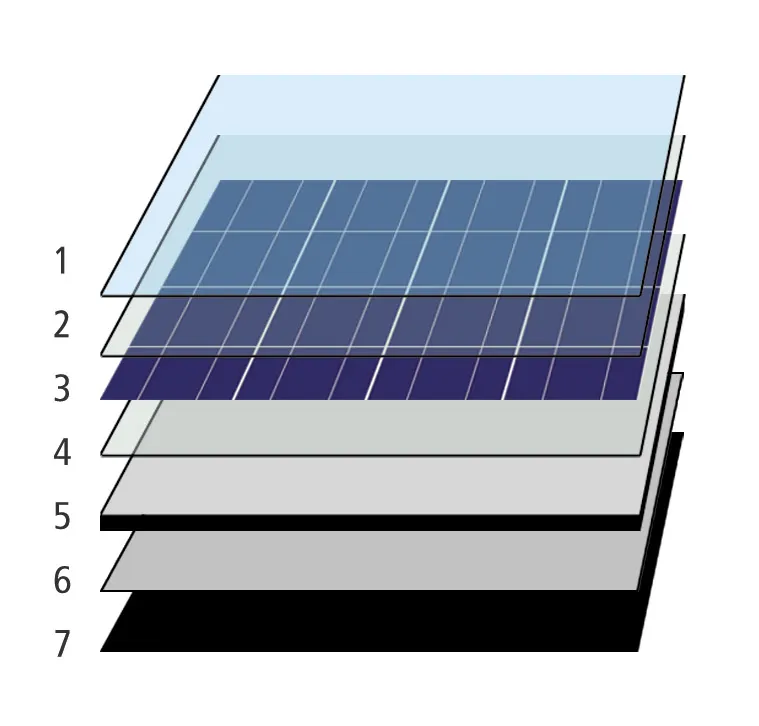
Photo: Debora Castelnuovo, Copyrighted free use, via Wikimedia Commons
Solar farms are often described as temporary. In planning terms, that word has teeth. Most UK solar farms are consented for a defined period, commonly around 25 to 40 years, with conditions requiring decommissioning and restoration. The panels may be the most visible technology on site, but the lasting promise is to the land and to the neighbours who live around it.
The planning condition is the contract
A solar farm is not consented indefinitely. The planning permission sets out the period of operation, the approved layout, the landscape mitigation and the restoration scheme. It may also require a decommissioning plan, a traffic management plan and financial arrangements to ensure that removal can be carried out if the operator does not do so voluntarily. These are not minor footnotes. They are the terms on which the development is allowed.
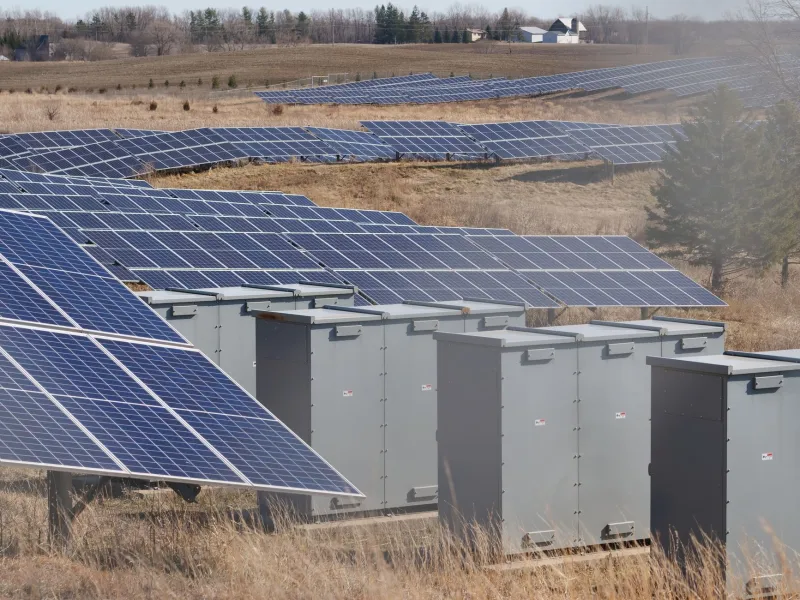
At Bubney, the principle is straightforward: the array is a guest on the land, not a permanent change of use. The planning conditions define how the site should be returned at the end of its life, and the operator is expected to work within them. That matters to farmers, to local authorities and to residents who want to know that a field of panels will not simply be abandoned when the economics change.
Taking the array apart
Decommissioning is a planned engineering project in its own right. The sequence typically begins with isolating the site from the grid, then removing the modules, inverters, mounting structures, cabling and substation equipment. Foundations and cable routes must be dealt with according to the approved method. Traffic movements are managed to reduce disturbance, and soil, drainage and vegetation are protected during the works.
The process is not simply a reverse installation. Panels are heavy and fragile, cabling may be buried, and some equipment may have residual value or require specialist handling. A well-prepared decommissioning plan sets out the order of works, the equipment to be used, the routes to be taken and the restoration that follows. It also identifies what, if anything, will remain. In most cases, the answer is very little.
What happens to the panels
A solar panel is a composite product. It contains glass, aluminium, copper, silicon, silver and small amounts of other materials. Recycling aims to recover as much of that value as possible while keeping hazardous or low-value fractions out of landfill. In the UK, waste electrical and electronic equipment regulations apply to solar panels, and producers have obligations for take-back and recycling.
The practical picture is improving but remains imperfect. In 2026, the UK's specialist photovoltaic recycling capacity is still modest relative to the volume of panels expected to reach end of life over the coming decades. Much of the current processing focuses on recovering glass and aluminium, with higher-value materials such as silicon, silver and copper requiring more advanced separation. Research and investment are moving the industry towards better recovery rates, but operators should not claim that recycling is solved. Responsible decommissioning means choosing credible recycling routes, minimising transport distances where possible and being transparent about where materials go.
Restoring the land
Restoration is where the temporary promise becomes visible. The planning condition may require the land to be returned to agriculture, to grassland, to woodland or to another approved use. The practical work can include removing foundations, loosening compacted soil, restoring drainage, reseeding and monitoring establishment. Hedgerows and boundary features that were protected during operation must be left in good condition.
Restoration is not instant. Soil structure and vegetation take time to recover, and the outcome depends on the baseline conditions, the management applied and the weather. A responsible operator will plan for aftercare and monitoring rather than treating the removal of the panels as the end of the project. For local communities, the test is simple: when the array has gone, does the land still work for the purposes set out in the permission?
The financial guarantee
Local authorities need assurance that decommissioning will actually happen. Planning conditions may require a bond, a parent company guarantee or another form of financial security. The detail varies between councils and projects, but the principle is consistent: the cost of removal and restoration should not fall unexpectedly on the public purse. Operators should be able to explain these arrangements clearly and without defensiveness.
Repowering and the circular question
Not every solar farm will be dismantled at the end of its first consent. Some may be repowered with newer, more efficient modules, subject to fresh planning approval and environmental assessment. That can make better use of an existing grid connection, but it does not remove the need for end-of-life planning. Whether a site is repowered or removed, the materials and the land must be managed responsibly.
This is where the circular economy meets rural planning. Solar farms are part of a cleaner electricity system, but they are also physical objects made from mined and manufactured materials. The case for solar is stronger when the industry takes responsibility for the whole life of those materials, not just the generation phase.
A promise measured in decades
A solar farm's relationship with its neighbours begins long before the first panel is mounted and continues long after the last megawatt is exported. The planning system exists to make that relationship accountable. For Bubney, being a temporary tenant means keeping the restoration plan in view, choosing credible recycling routes and being honest about what end-of-life involves. Clean power, rooted in the local landscape, has to mean something after the panels come down as well as while they are standing.